


|
|
|
|
by Yvette Depaepe
Published on August 31, 2026
Gustav Davidsson’s vision for photography is simple. He wants to create emotional, moody images. He is particularly passionate about fine art photography and the effect it can have on the viewer. Post-processing is essential to him because it enables him to enhance the emotional impact of his images. Let's take a look at his images and find out more about the artist behind them.
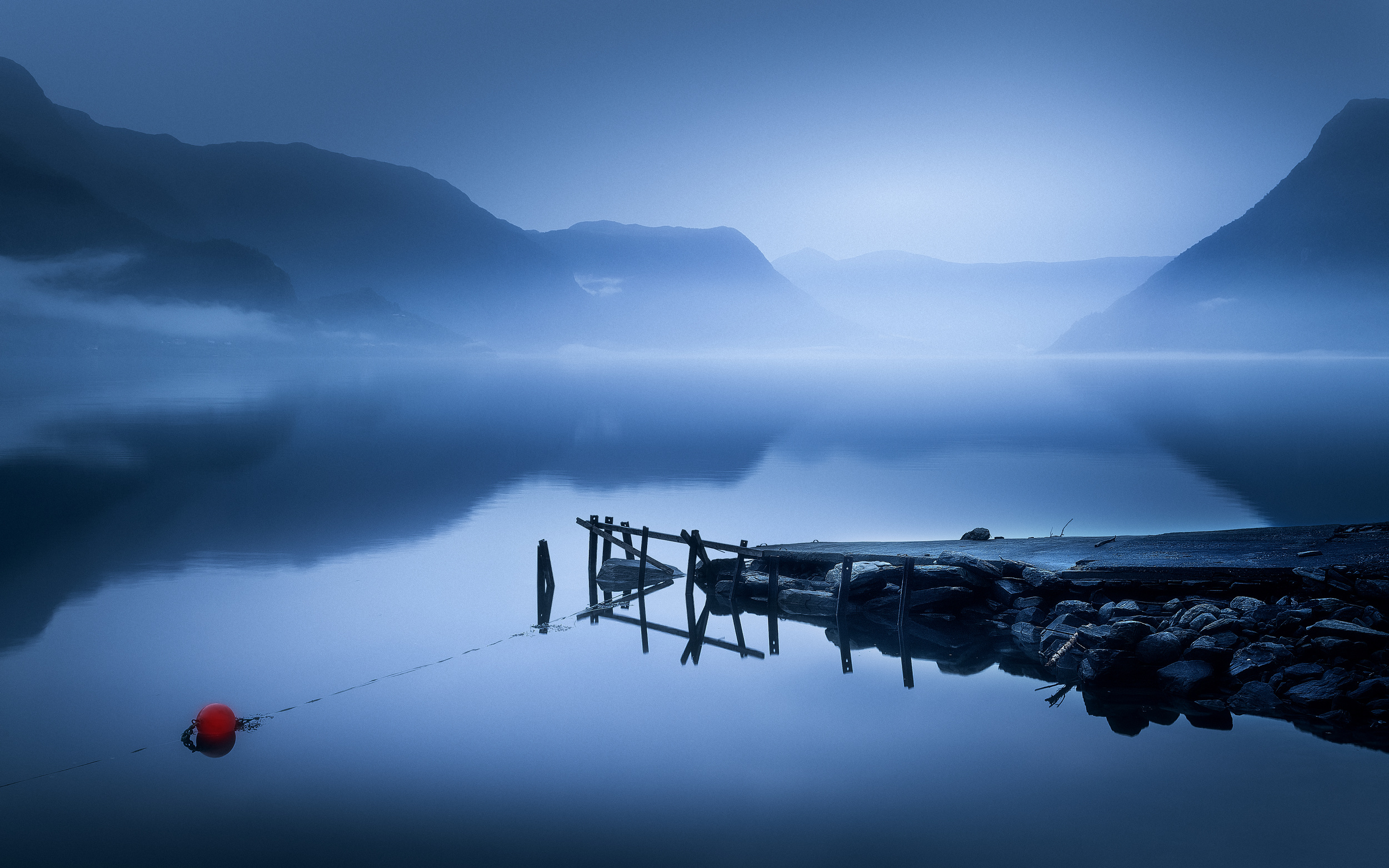
‘Tranquility’
Dear Gustav, firstly, I would like to thank you for taking the time to answer this questionnaire. Could you please start by introducing yourself briefly, telling us about your hobbies, and describing any other projects you are involved in?
My name is Gustav Davidsson, and I am 43 years old. I grew up on a small farm in Halland, a region on the west coast of Sweden. I moved to Gothenburg to study engineering in my late teens, and I still live there now. I work in the aerospace industry as an aircraft stress analyst. In my spare time, I enjoy hiking in nature. I especially enjoy hiking in the mountains of Sweden and Norway, but I also like exploring different trails in my local area. I also enjoy fishing in local lakes and on mountain hikes. I am very interested in sport. These days, I mostly enjoy watching rather than participating. Music is also a big hobby of mine. I enjoy both listening to music and playing the guitar.
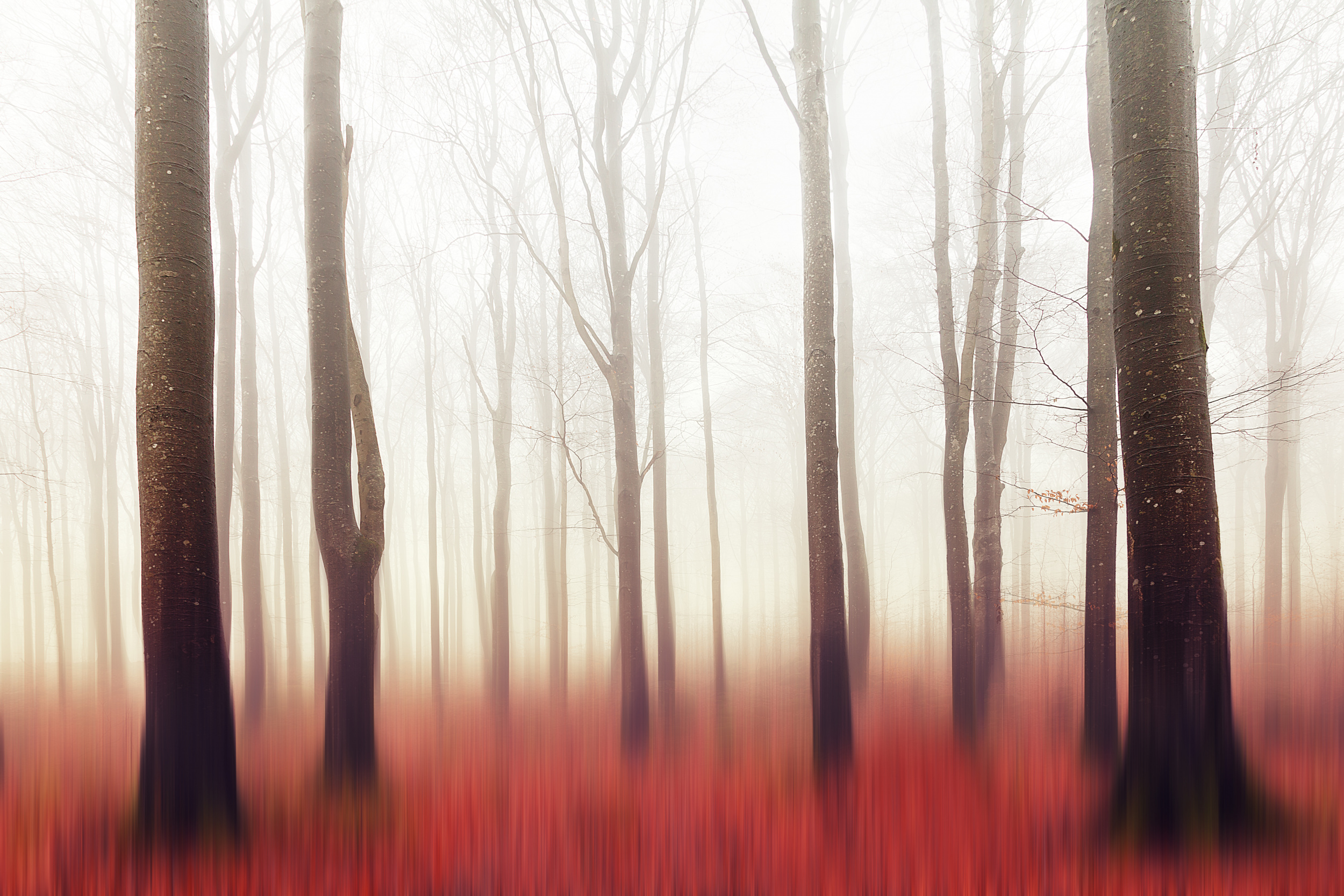
‘Misty Forest’
When and how did you start your photographic journey?
I started taking photographs sporadically with a pocket camera during my teens. This was mostly to document different events. It was nothing serious. In 2009, I bought an affordable DSLR camera with a zoom lens included. Initially, I mostly took photographs of nature, such as landscapes. A couple of years later, I bought a better full-frame camera and a 50 mm f/1.4 prime lens. I think it was at this point that my photographic journey really took off.
For many of us, photography is either a hobby or a way of life. How would you define your relationship with photography?
I would say it's a passion of mine. It's something that makes me forget about time and space. It is also a way to relieve stress. For me, photography is a way to express emotions and capture fleeting moments in time. I’m particularly passionate about fine art photography and its artistic aspect. Post-processing is an essential part of my creative process, as it enables me to enhance the emotional impact of my photos and create unique artwork. I’m equally passionate about that as I am about taking photographs.
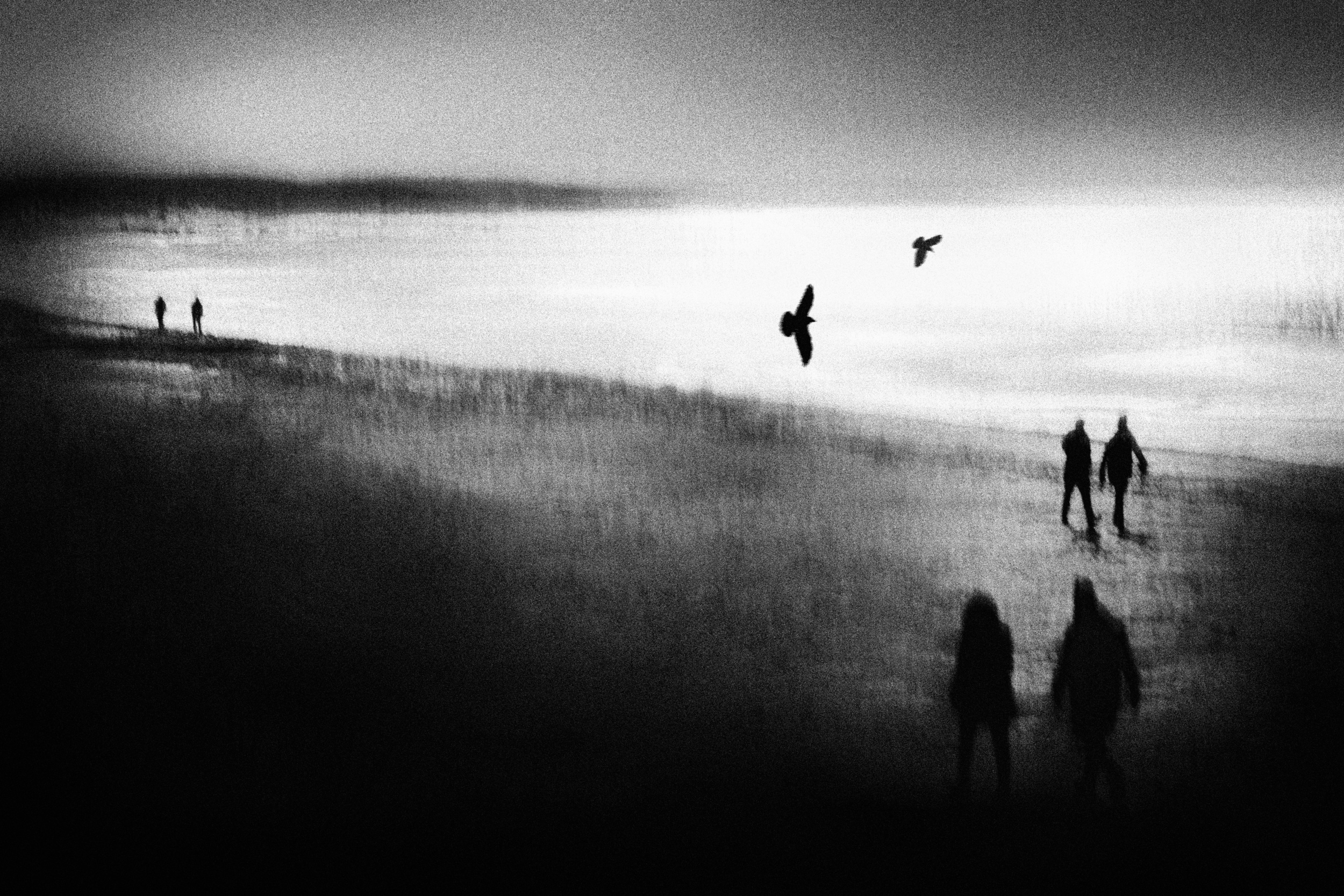
‘Evening Mood’
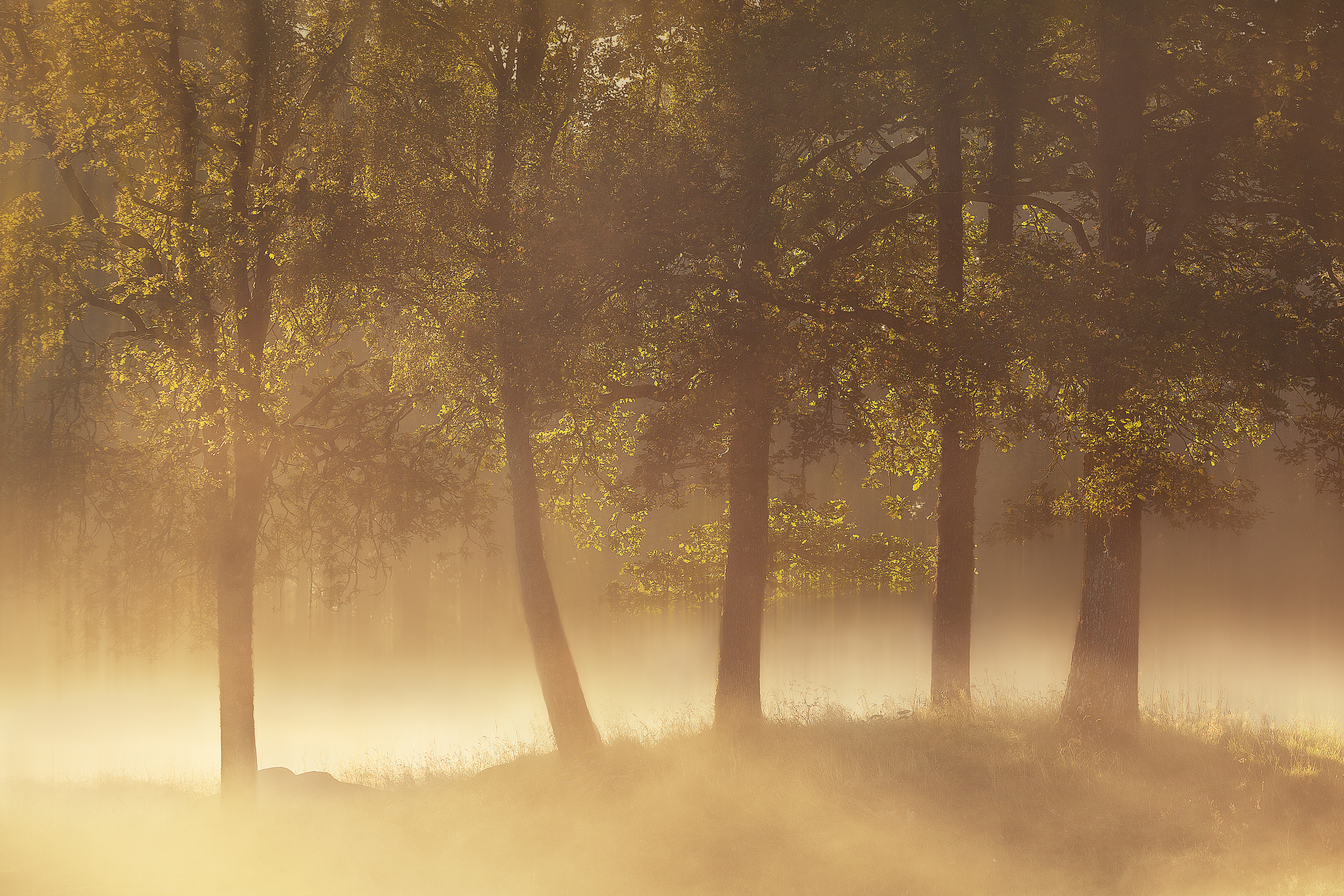
‘Morning Mood’
Which experience has had the greatest influence on your photographic journey so far?
I think it was when I joined 1X. I saw a variety of photo styles that I hadn’t seen before. Particularly the creative edit style was completely new to me and I was heavily inspired by that.
You have a diverse portfolio. I see wonderful florals, creatively edited images and landscape photography. What draws you to these different genres?
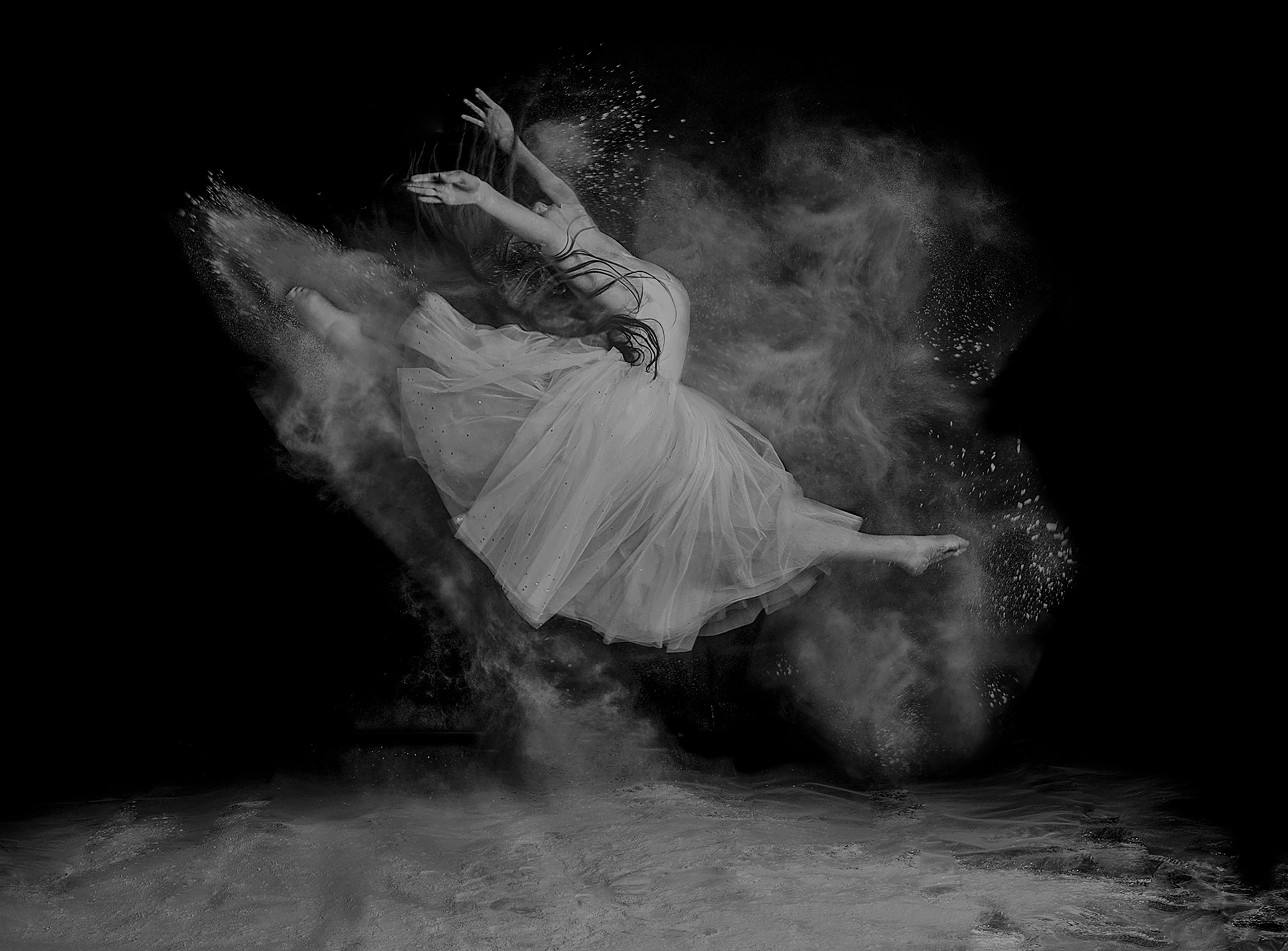
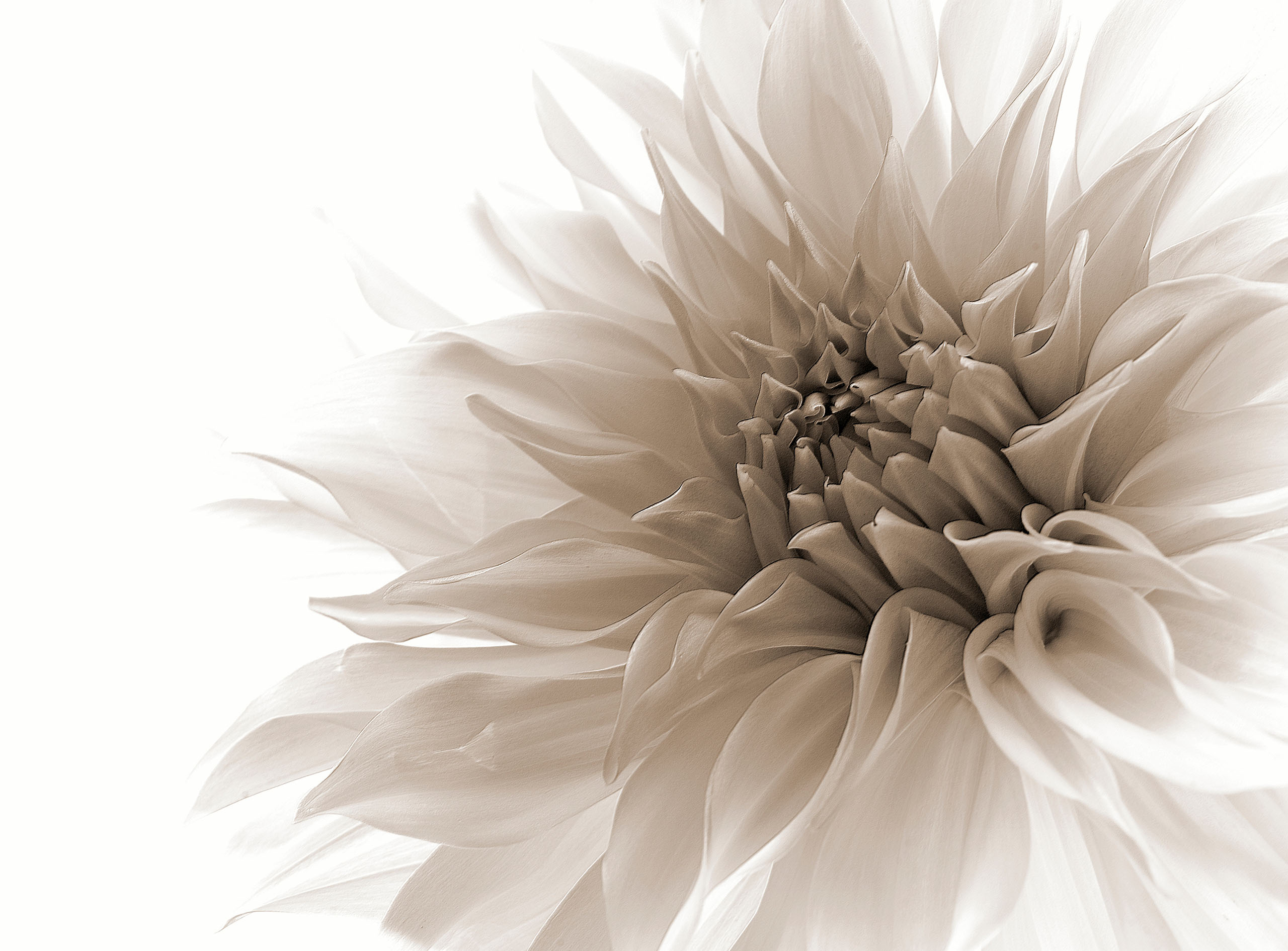
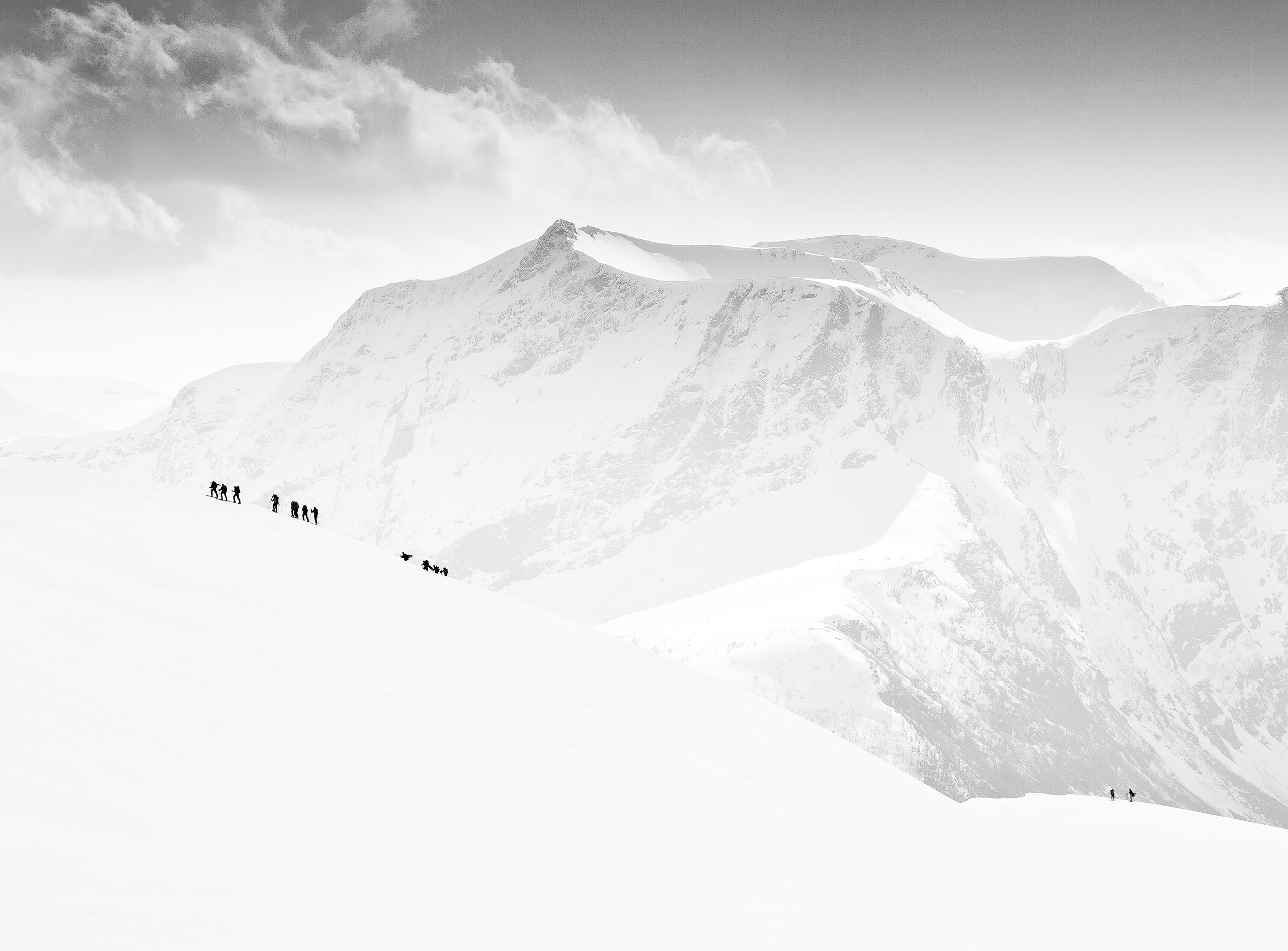
Having grown up on a farm, I have always been close to nature. I think this is why I am drawn to taking photos of things like flowers and trees. I have always been fascinated by nature. A tiny seed grows into a giant tree. Bees pollinate flowers, resulting in fruit. Some flowers bloom at night because they are pollinated by specific night-flying butterflies. Everything works together in a very clever way. I also love creating black-and-white, moody, surreal photos. It's the emotions and mood that these types of images evoke that I love. I often create the mood using compositions with silhouettes, strong contrast, grain and blur effects, combined with surreal lighting. I really enjoy working in Photoshop or other editing programmes to create beautiful images. I have always liked art, such as Impressionist paintings. As I can’t paint, photo editing allows me to create images with a painterly feel. I also enjoy taking landscape photos when the opportunity arises. In particular, I like to capture minimalist landscapes using longer focal lengths, focusing on mood, lines, shapes and colours. Examples of this could be rows of tree trunks or layered mountain ridges.
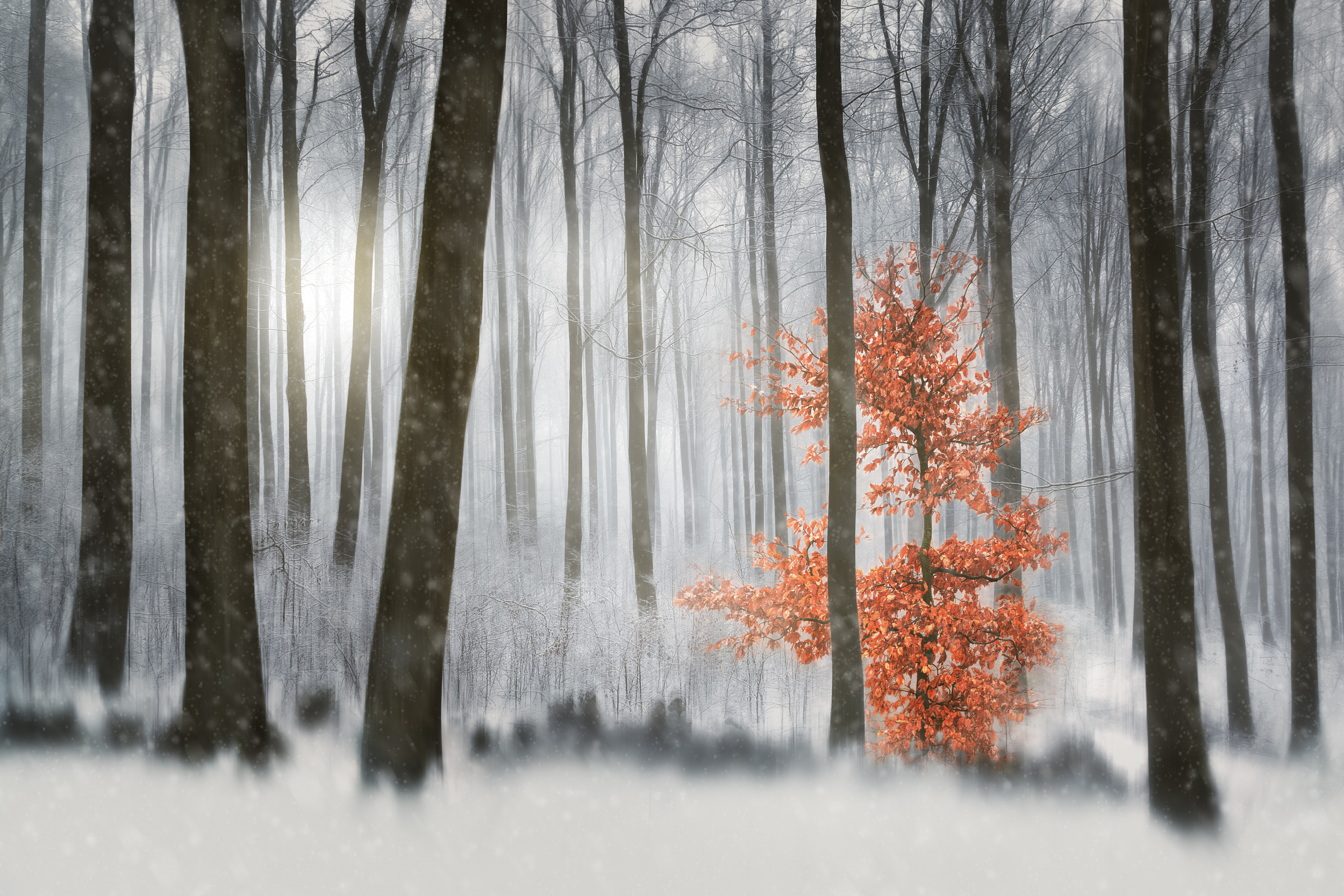
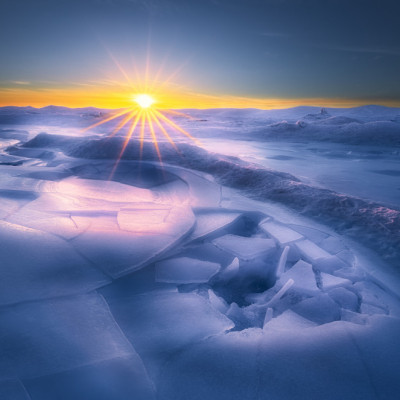
‘Winter Wonderland’
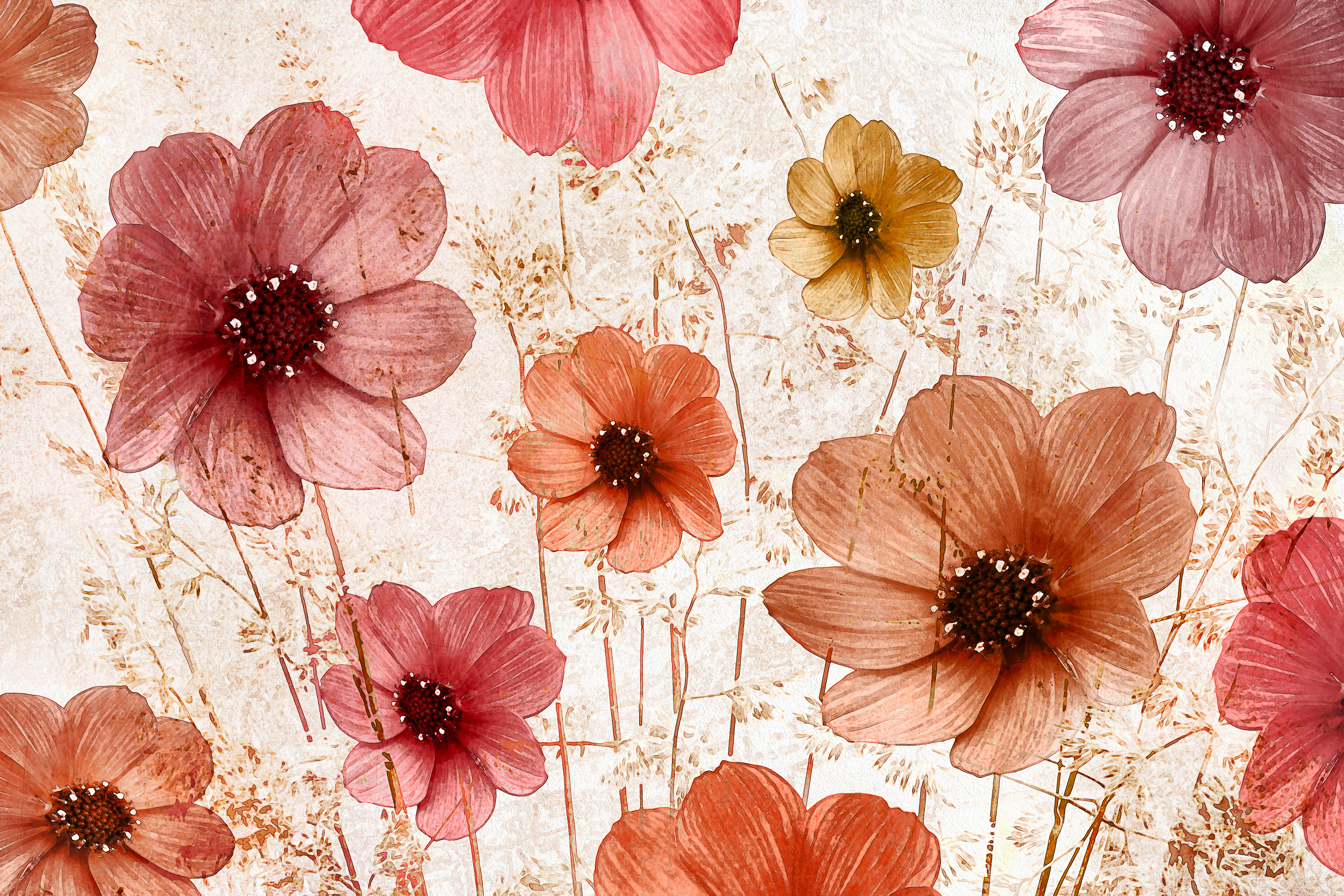
‘Chocolate Cosmos’
Which is more important to you: the mood or story behind your images, or technical perfection?
Personally, I think mood is more important. I think it is essential to any good photo. For me, mood has a very broad definition and can be created using technical perfection. This can be seen in macro, architecture, portrait and landscape photos, for example. Some photos require technical perfection, while others don't. But mood is always the most important thing for me in the end.
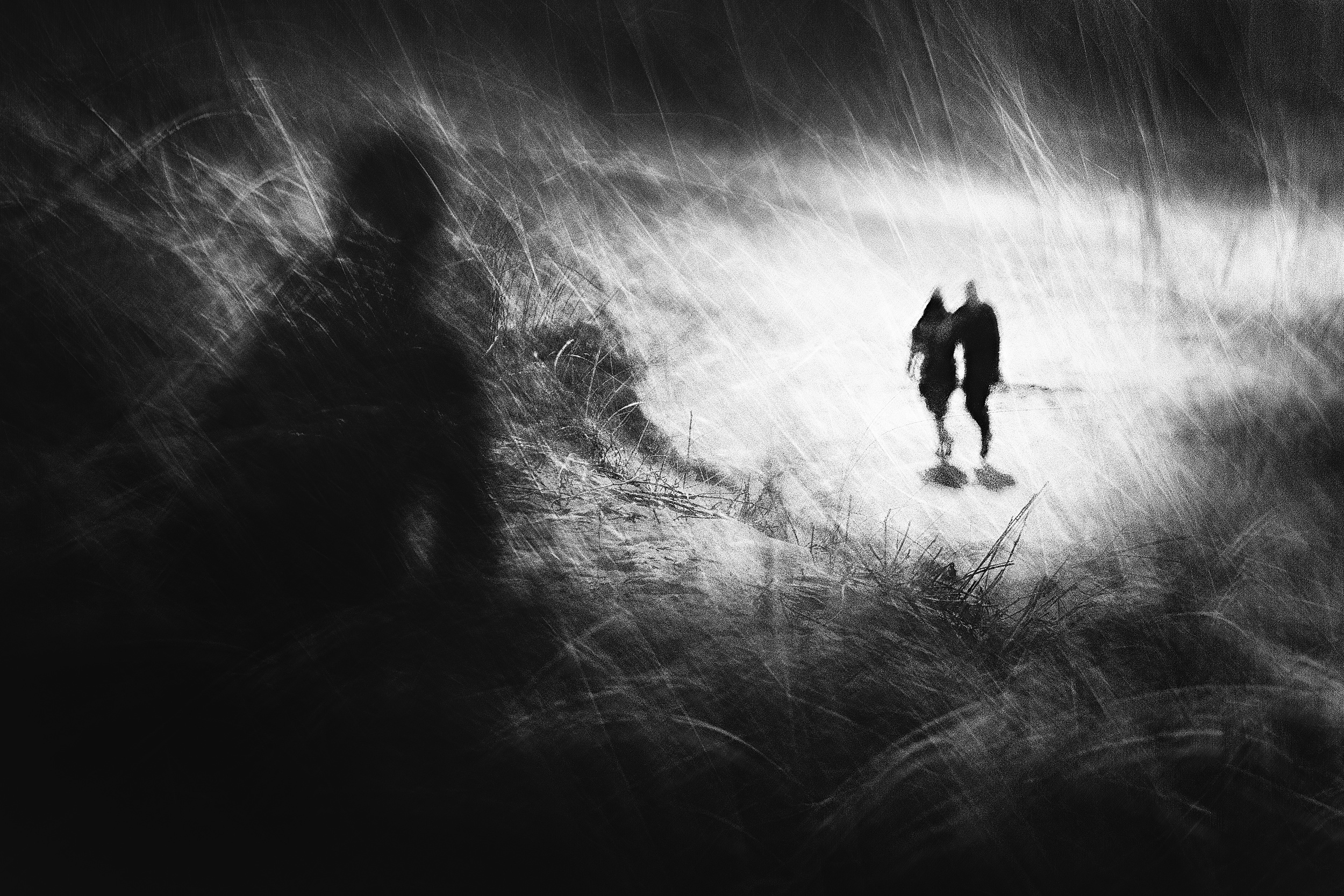
‘Jealousy’
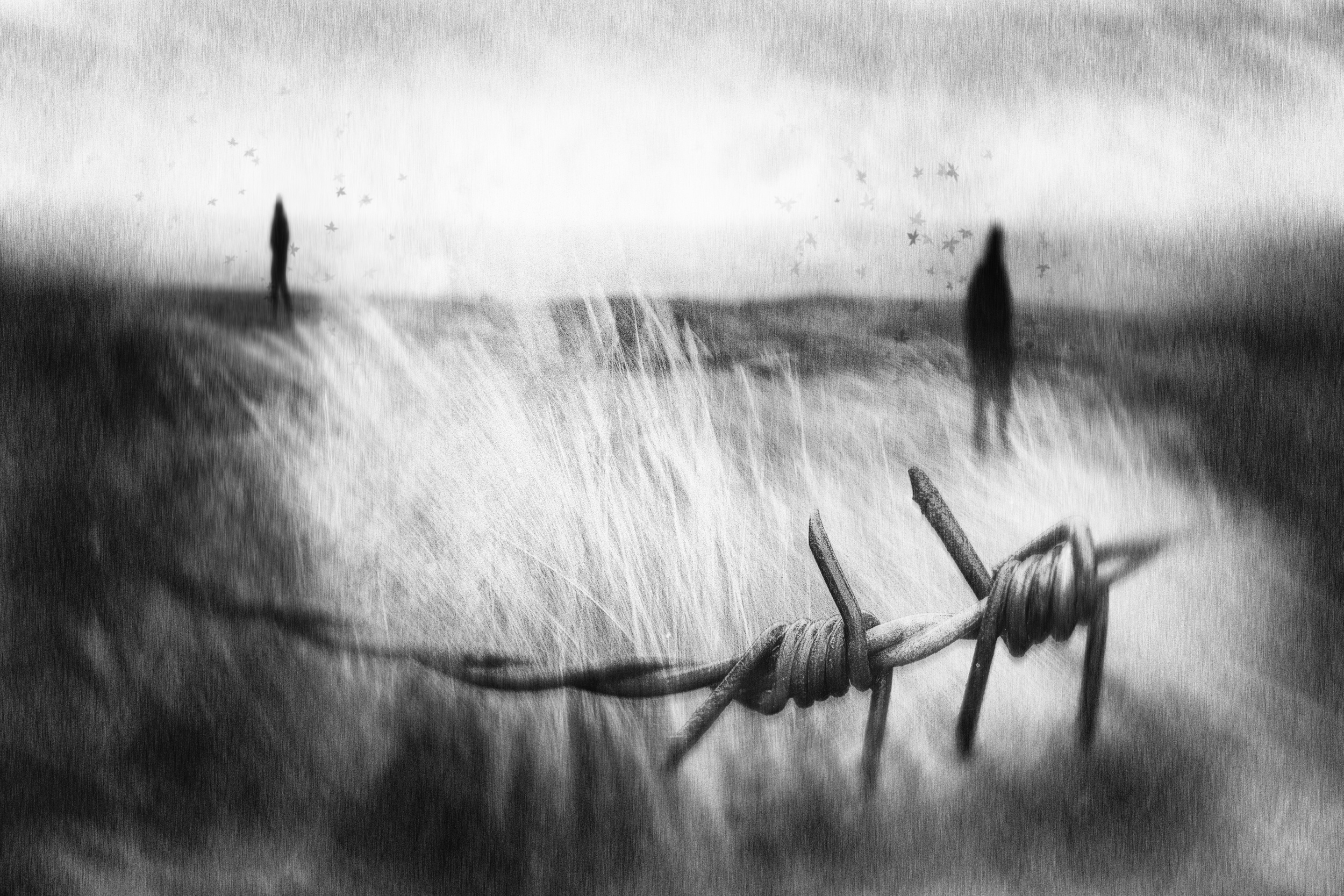
‘The Sadness Will Last Forever’
Aside from being an observer, what is your relationship with your subject matter?
Do you carefully prepare the locations where you intend to take photographs?
I like to be spontaneous, so I don't usually prepare much in advance. Often, I drive around in my car and stop at interesting places. Other times, I take a walk with my camera. I might see a beautiful flower, interesting light conditions, or a nice landscape composition. I can later use these photos as sketches when creating moody black-and-white images, for example. Recently, I have been taking a lot of still life photos. For these, I use a simple setup with a table, natural light, and different fabrics or painted wooden boards to create an attractive background.
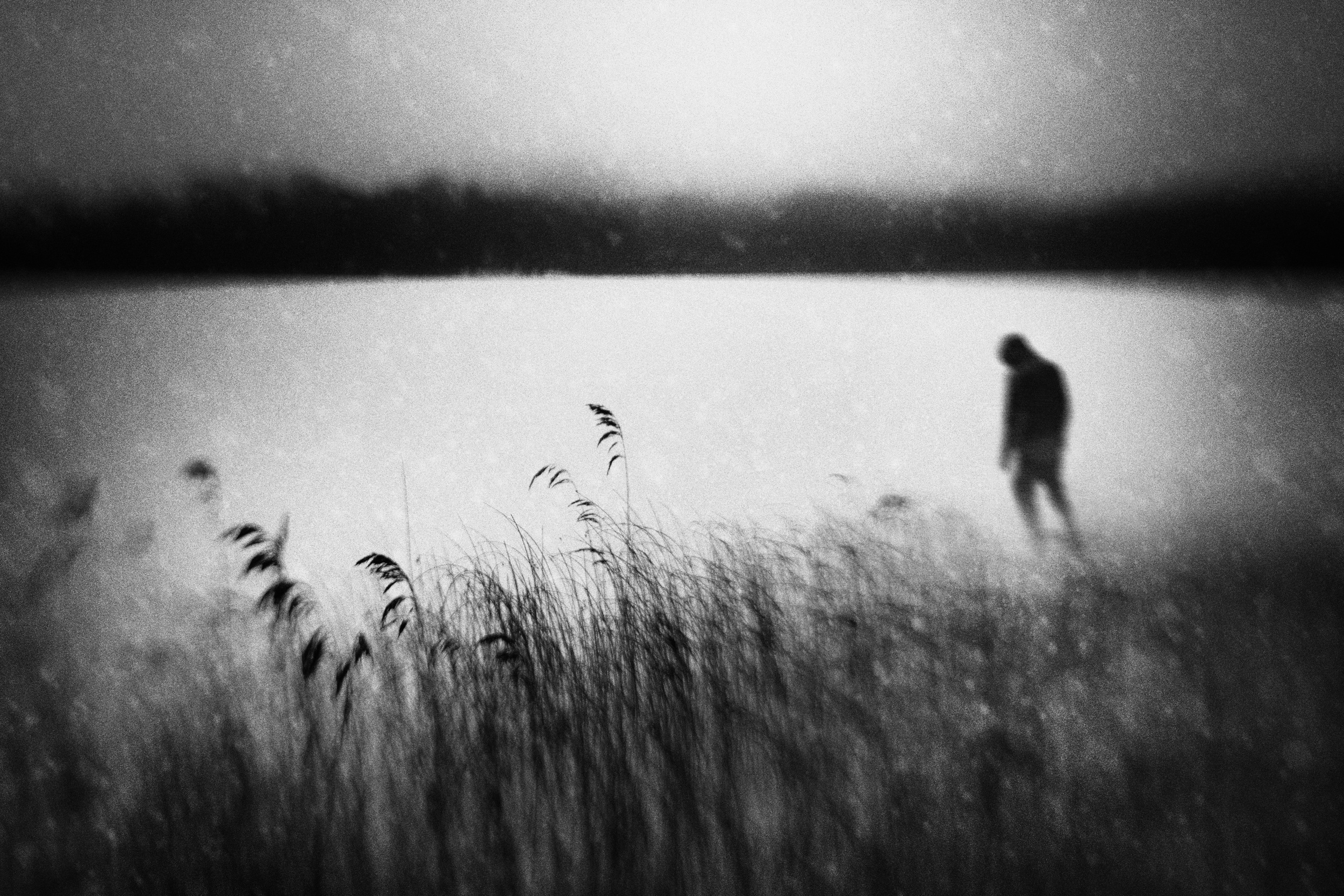
‘Walking On Thin Ice’
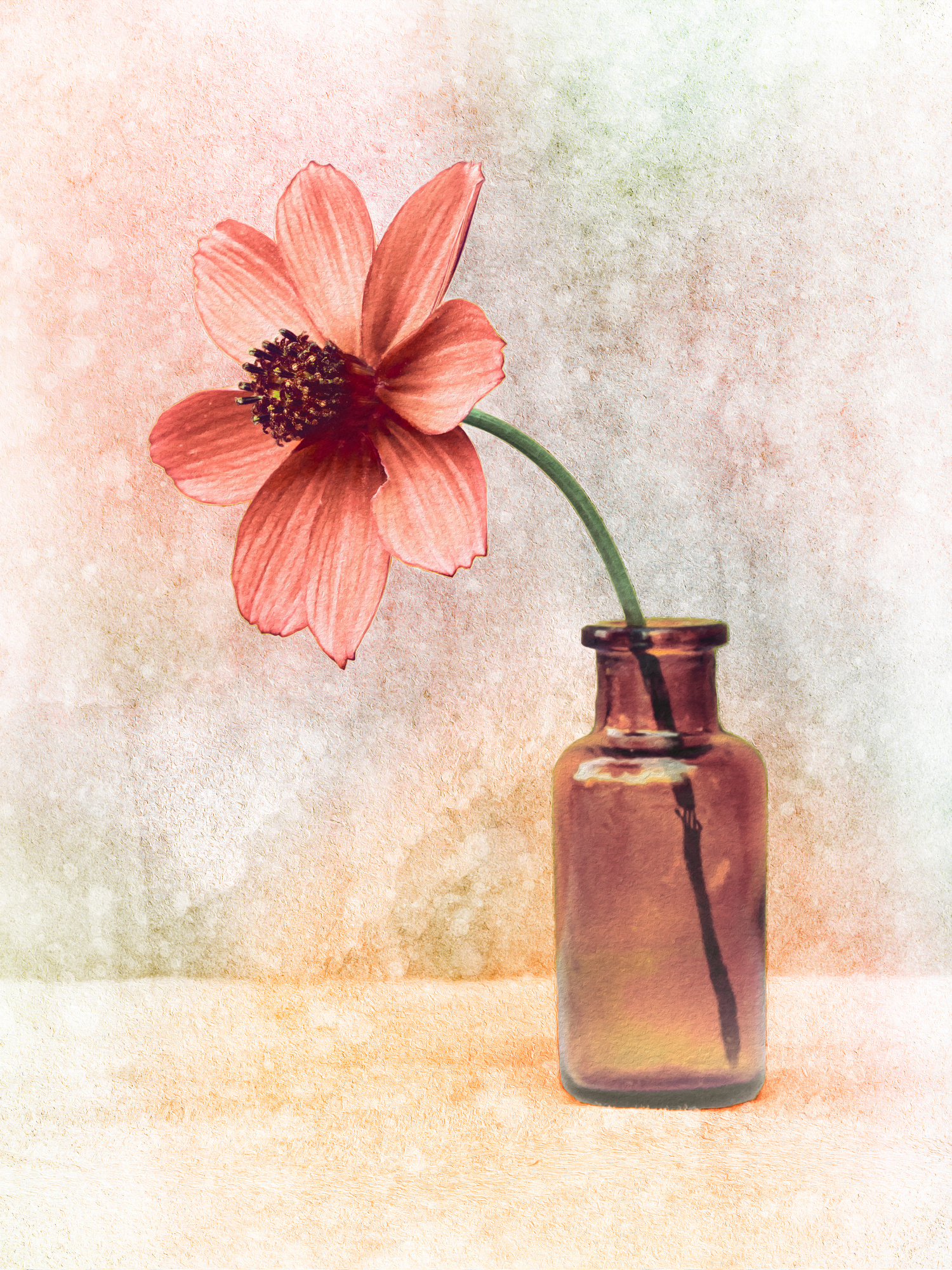
‘Pink FLower and Bottle’
Describe your overall photographic vision.
My vision is very simple. I want to create visually beautiful images that I can be proud of. If other people like them too, that's a big bonus. I often try to create emotional or moody images that evoke a certain emotion in me, and hopefully in the viewer too. At other times, I just want to create something beautiful.
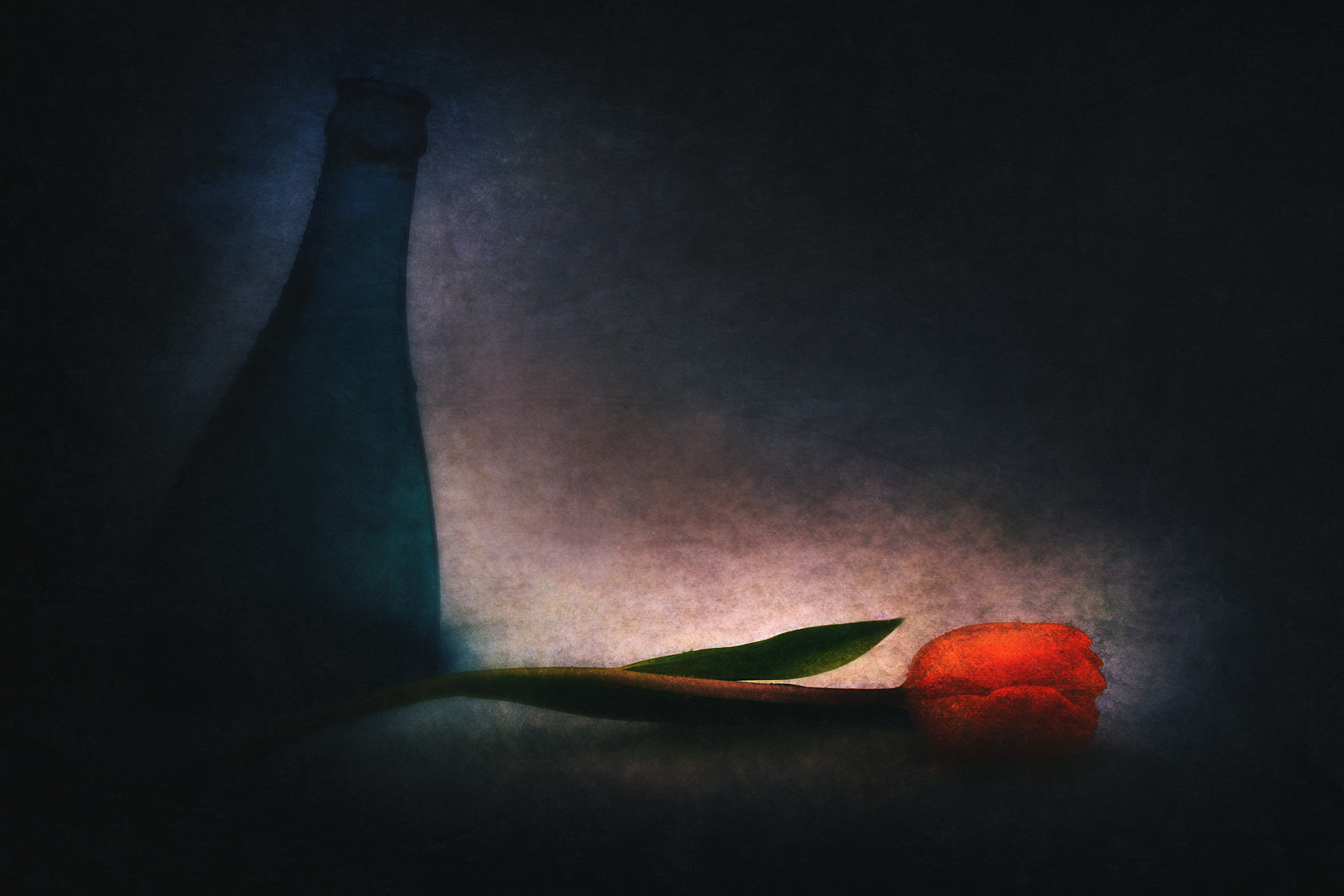
‘Still Life’
In your opinion, what are the main features of a successful photographer?
I think there are several factors. Firstly, it's good to be great at telling a story with a photo, or taking visually stunning photos. The best option is, of course, a combination of these if possible. Successful photographers usually have a great eye for composition and lighting, and know how to get the most out of their camera equipment and post-processing tools. I think most successful photographers also have the patience to wait for the right conditions to take a photo. Good communication skills are also essential for portrait photography.
Could you tell us more about your workflow, from the initial idea to the final product?
When I have an idea, the first thing I do is look through my photo library to see if I have anything that could be used for it. If not, I take photos that I can work with. This may involve scouting different locations to find suitable lighting and compositions. Most of the work is then done in post-processing. This can take anywhere from a few hours to several days. Some images only require light adjustments, such as contrast, colour, light/shadow and cropping, or perhaps adding a texture to the background. Others are composites that require much more work. Sometimes I start again if I’m not happy with the result. Once I have finished working on an image, I always let it rest overnight so that I can look at it again with fresh eyes the next day. If I’m still happy with it at this point, I’m finished. More often than not, however, I see more potential for improving the image or find errors that I can fix. It's easy to become non-objective when you think you've taken a really good photo, and you can miss errors or overestimate the quality or impact of the image.
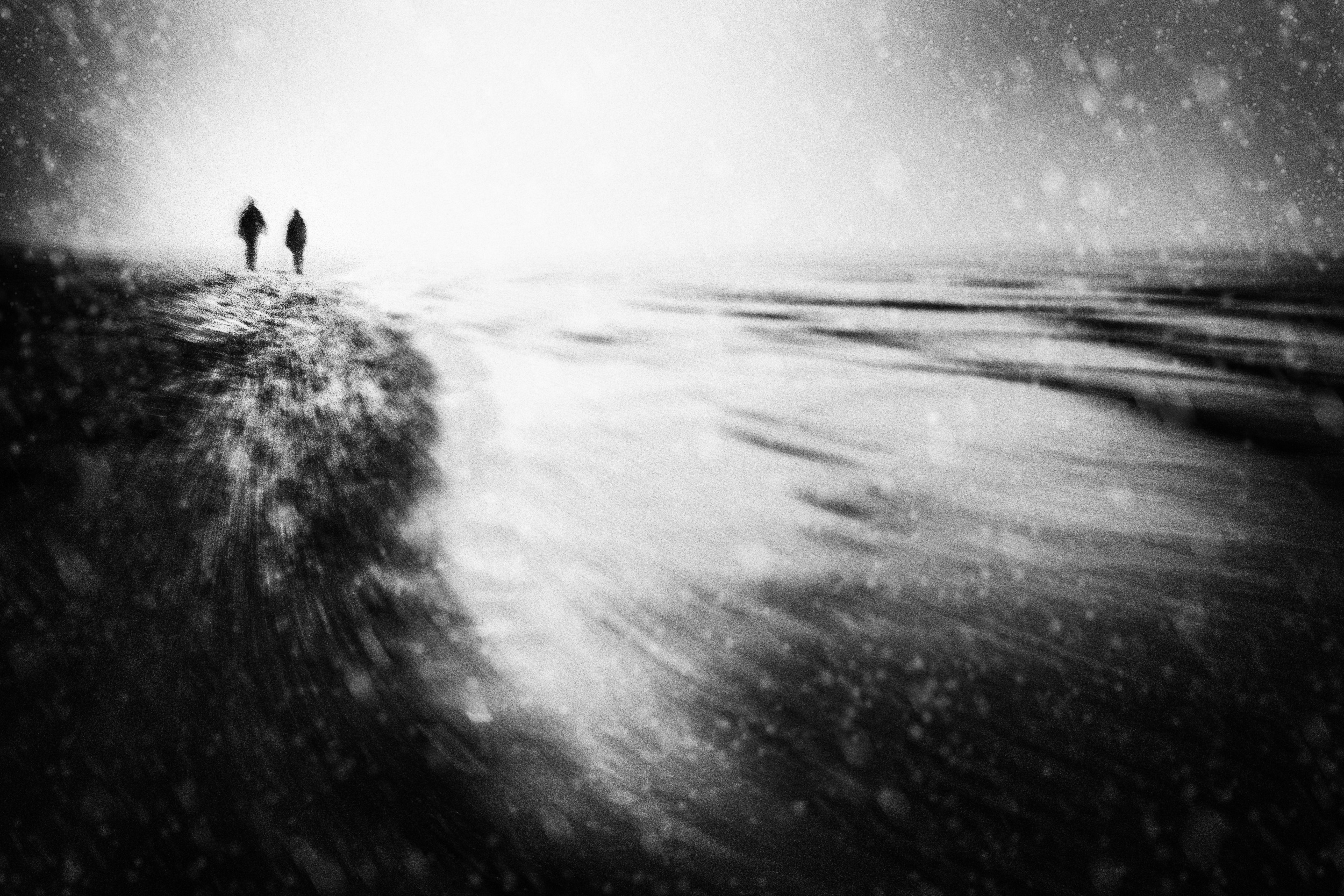
‘Winter Mood’
Where do you look for inspiration, and what inspires you the most?
These days, most of my inspiration comes from 1x. The astonishing variety of amazing images is a constant source of inspiration to me. I’m also inspired by nature, music, and art.
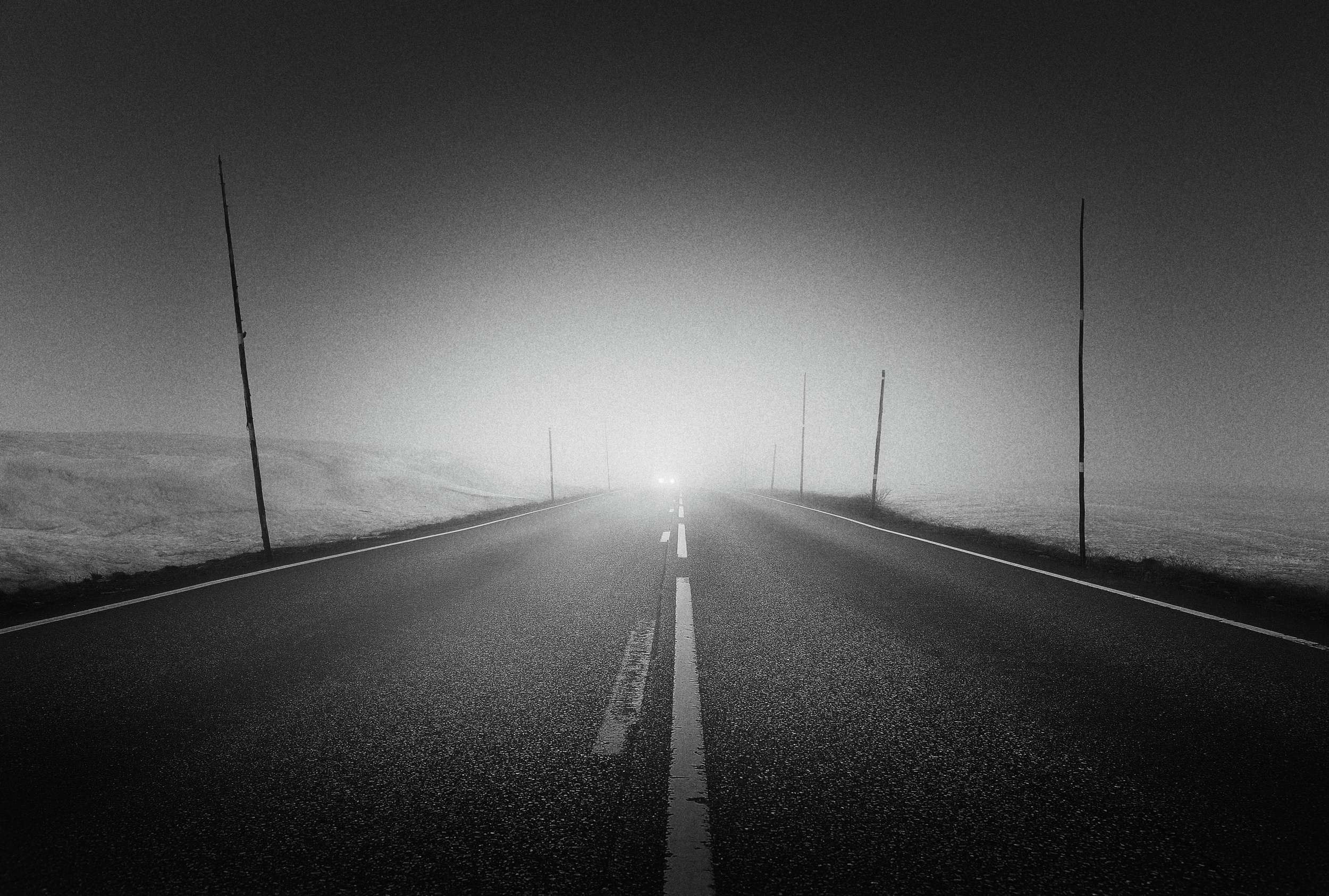
‘Lonely Road’
Many people believe that gear is unimportant if you're passionate about photography. Could you please tell us what equipment you use, such as your camera, lenses, lighting and tripod?
The type of gear you use can be very important, depending on the type of photos you take. I use an old Canon 5D Mark II with a variety of lenses. I prefer wide-aperture prime lenses with focal lengths between 50 mm and 200 mm. This is because they provide excellent sharpness with minimal distortion. They also produce attractive bokeh at wide apertures. For convenience, or when I don’t want to carry too many lenses, for example when travelling, I also use zoom lenses: 16-35mm, 24-105mm and 100-400mm. Recently, I have been using my 100 mm macro lens the most. I also have a Lensbaby that I really like for its creative unpredictability. I only use natural light, so I don't have any flashes or other artificial lighting. I have a tripod that I sometimes use. In particular, I use it in low light. However, I would say that 99.9% of my photos are taken handheld.
What is your favourite photo, and what is the story behind it?
I don't really have a favourite photo. However, the photo below of the boat on the calm mountain lake is close to my heart. It's a simple, minimalist landscape. I get the same sense of calm when I look at it as I did when I was there taking the photo. It was taken during a beautiful sunset on a long, narrow lake called Veitastrondsvatnet in western Norway. Having visited and photographed a glacier arm at the innermost end of the valley, I was driving back along the lake when I saw the boat on the still water. There was also a lone bird swimming, which added to the scene. I stopped to take a couple of photos. It was a wonderful moment, and I have fond memories of it.
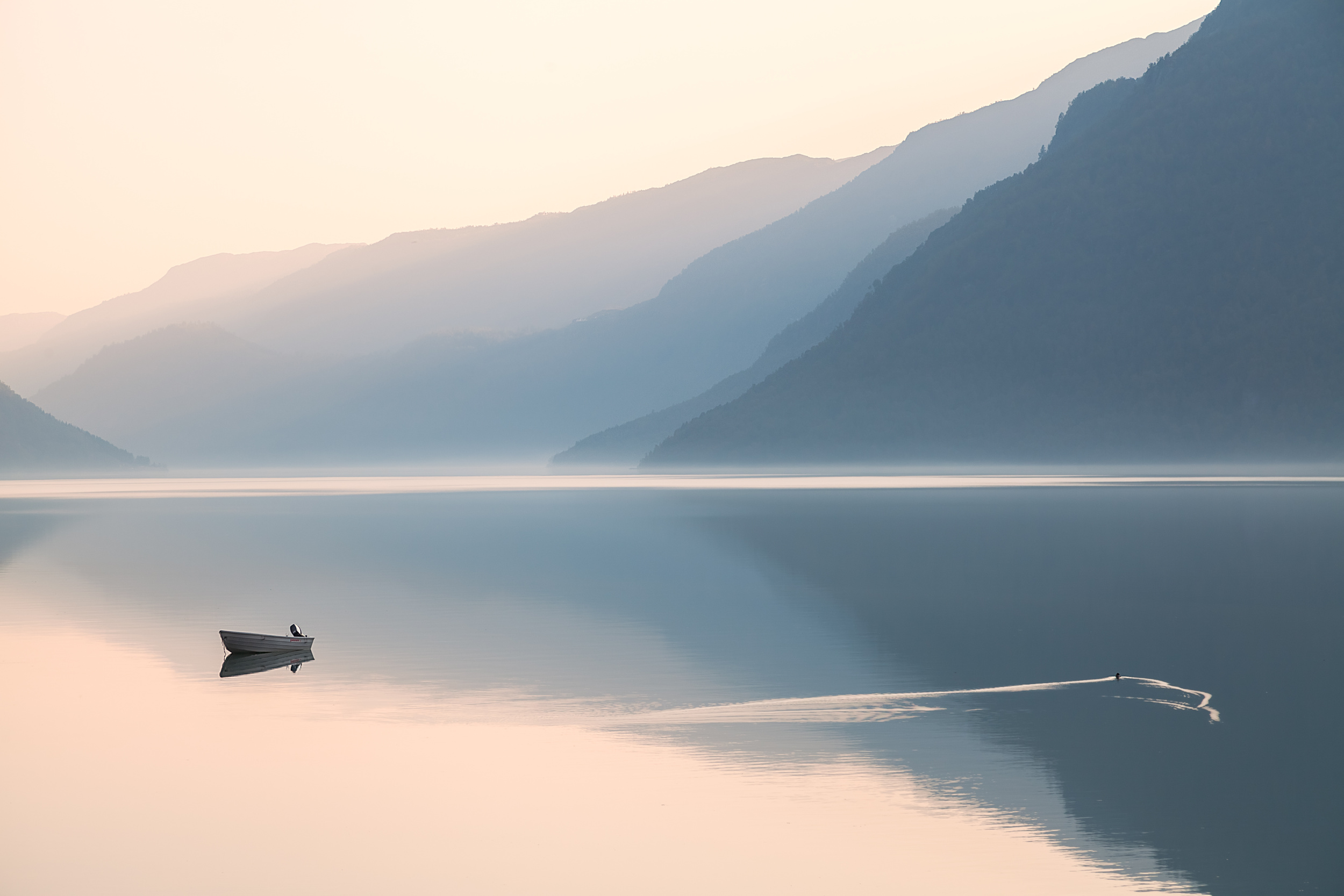
‘Still Evening’
Who are your favourite photographers or mentors whose work has influenced you?
There are many inspiring members on 1X. I appreciate good photographs, regardless of genre or style. There are too many influences to mention, but I will name a few. Seeing the work of Teruhiko Tsuchida on 1X inspired me to start experimenting with emotional, moody, black-and-white photos in my own surrealistic style. I have always loved still lifes, and the photos of Delphine Devos and Lydia Jacobs have been a great source of inspiration.
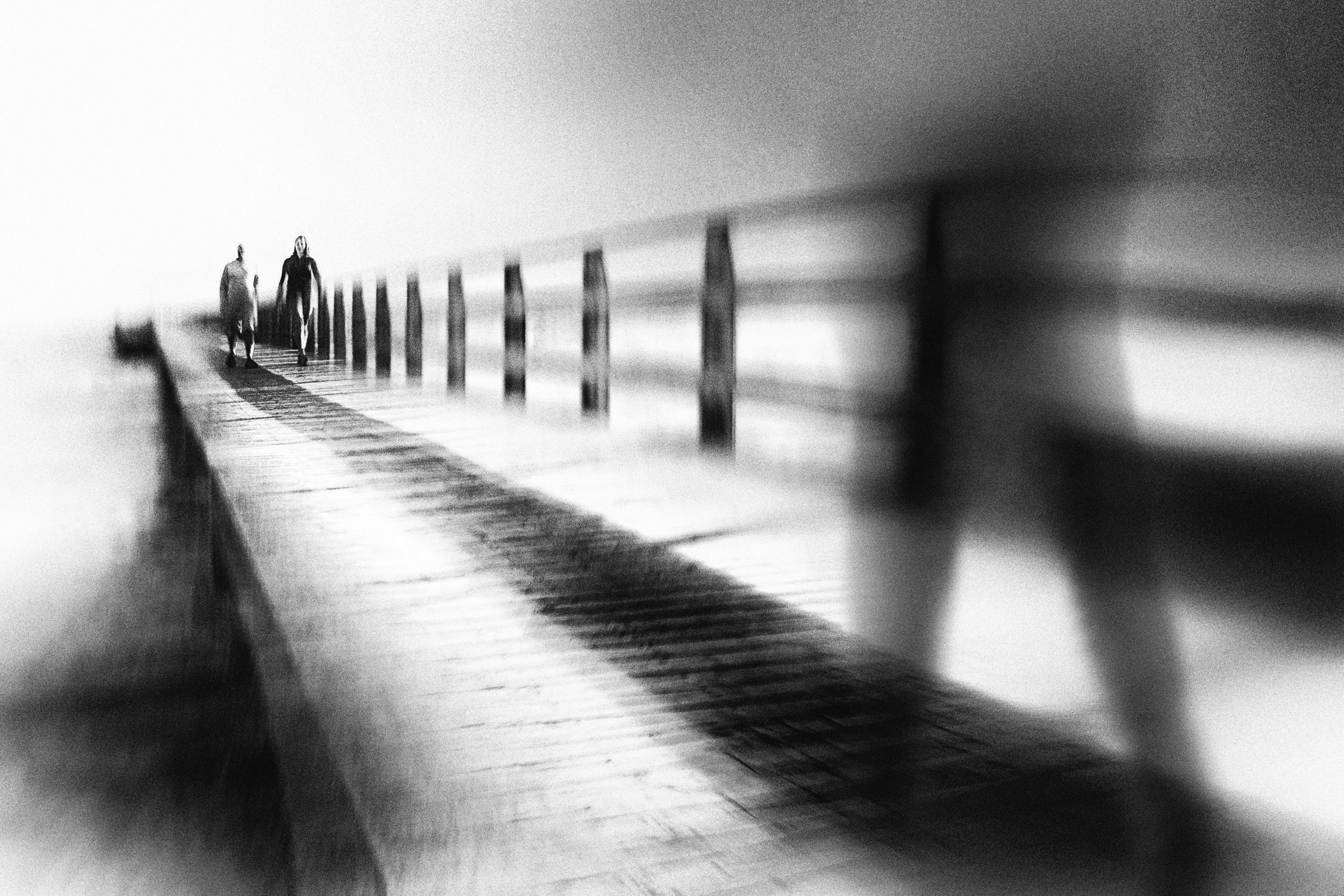
‘Where Are You Heading?’
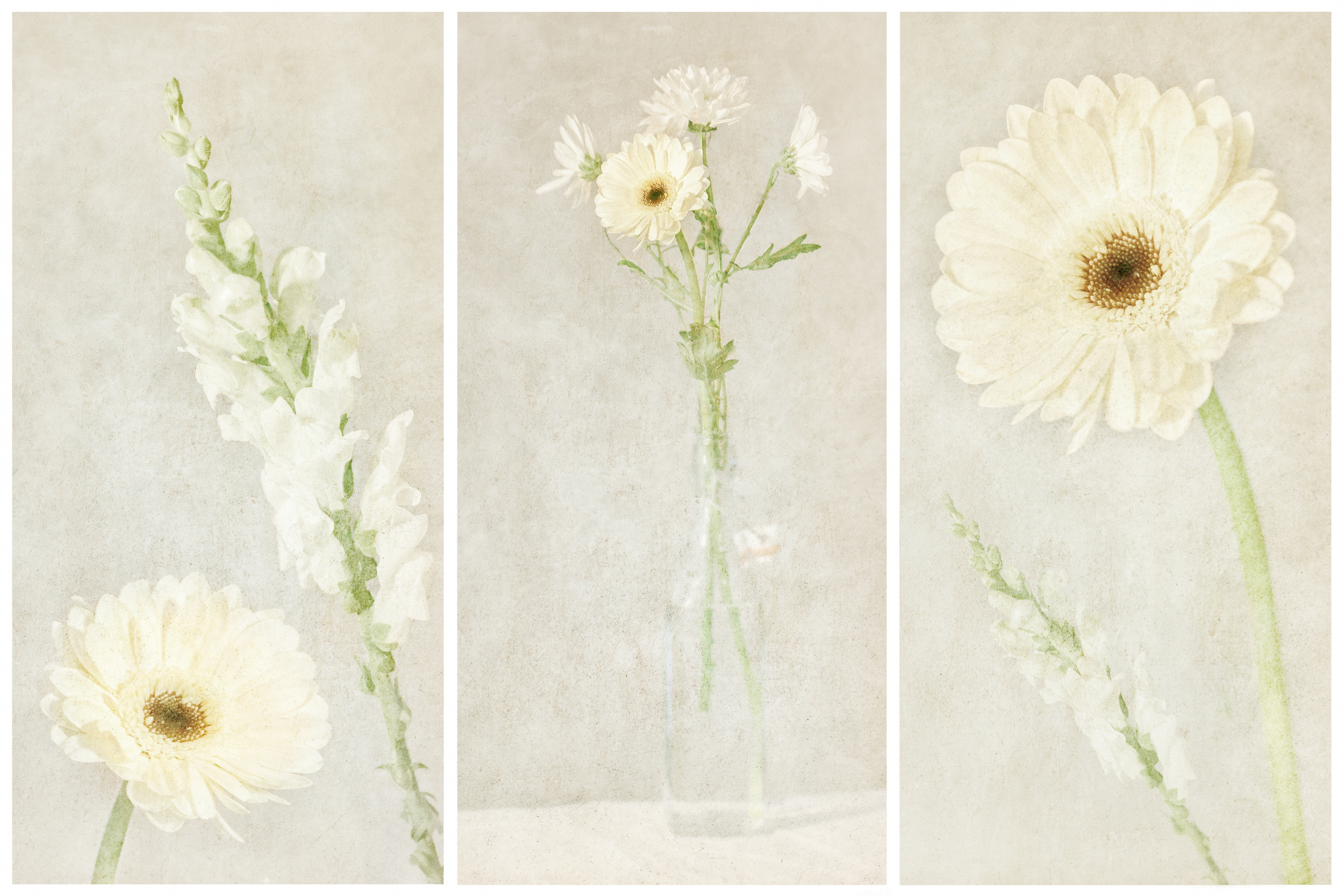
‘Gerbera Triptych’
Is there anything else you would like to add, and what do you think about 1X as a platform for showcasing your work?
1x is an excellent platform for showcasing my work, and it is also a great source of inspiration. I especially like the wide range of excellent photos. I also enjoy reading the forum and, of course, the magazine. Lastly, I would like to thank all the members and the crew for making it such a great community. May your compositions be epic, your lighting heavenly, your mood mesmerising, and your subjects cooperative. Special thanks to Yvette for inviting me to this interview. Good light to all of you!
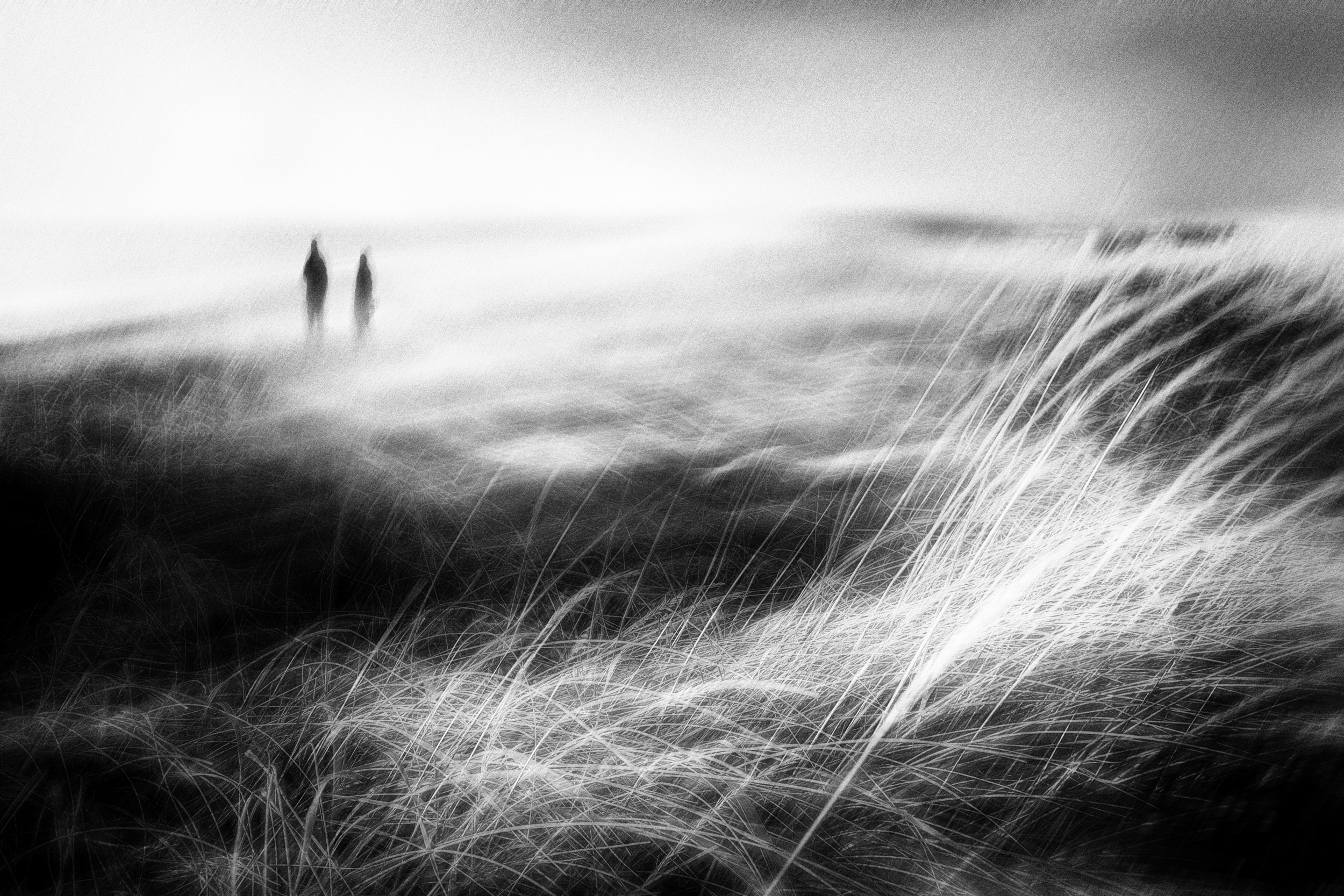
‘We Walk Alone’
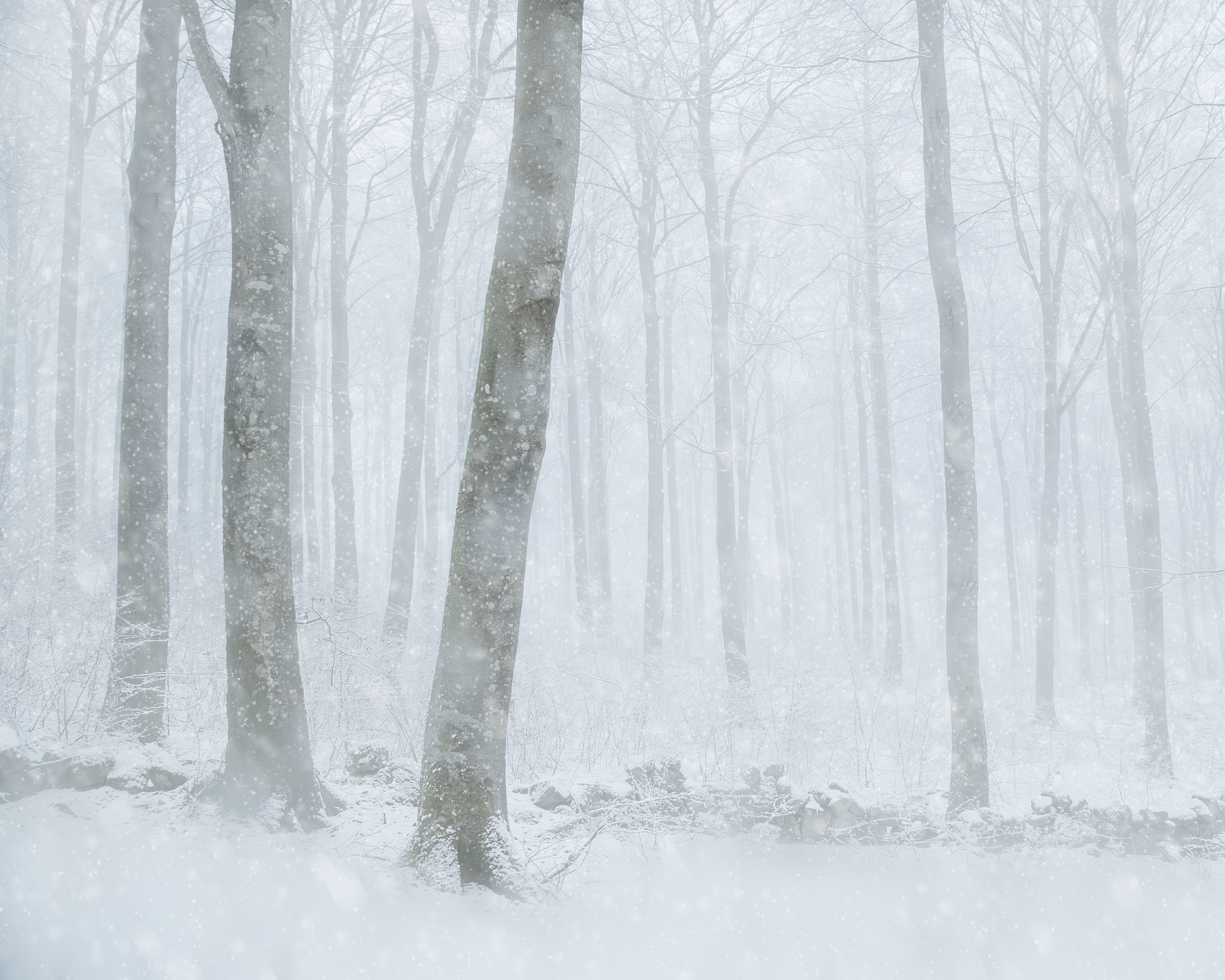
‘Silent Winter’
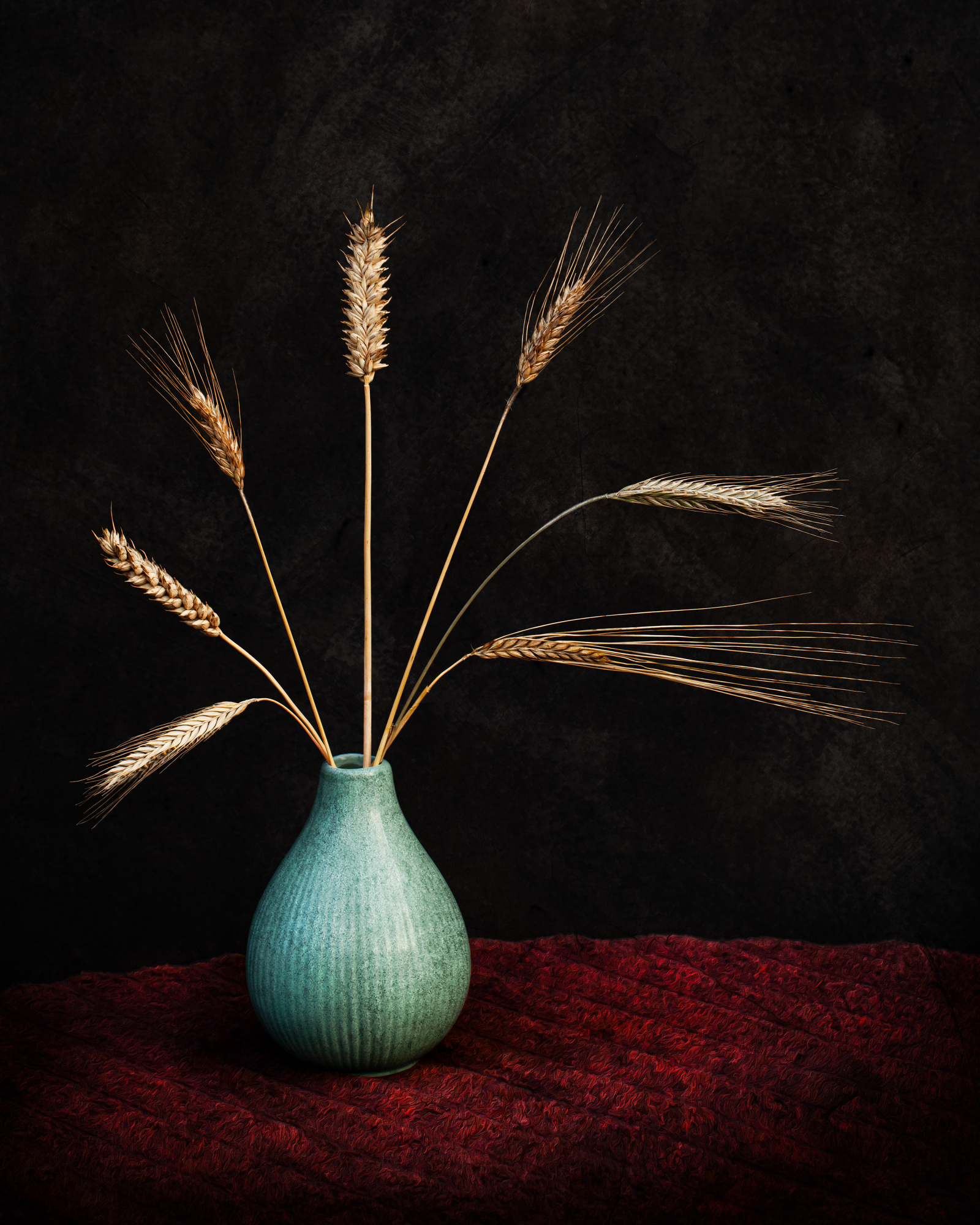
'Rye, Wheat and Barley’
 | Write |
 | Benny Pettersson PRO Congratulations Gustav for getting the opportunity to be interviewed. Thank you Yvette for an interesting and inspiring interview. |
 | Gustav Davidsson PRO Thank you very much Benny! |
 | Monica Mermoz PRO Congratulations, Gustav!
It's a pleasure to learn about your story and interests, and the selection of photos accompanying the interview showcases your great talent. |
| Gustav Davidsson PRO Thank you very much Monica! |
 | Teruhiko Tsuchida PRO Dear Gustav, congratulations!
This is a wonderful interview. You are an artist with beautiful and amazing work, and incredible sensitivity and passion. |
| Gustav Davidsson PRO Thank you very much Teruhiko! |
 | Roland M Schwerdtfeger PRO Thank you, Gustav for these emotional Impressions of landscapes, forests and flowers! And thanks to Yvette for this inspiring interview. |
| Gustav Davidsson PRO Thank you very much Roland! |
 | Imi Koetz PRO Magnificent works, Gustav !! So different genres, that I love !Congratulations on this excellent Magazine, created by Yvette !! |
| Gustav Davidsson PRO Thank you very much Imi! |
 | Ben.C.L PRO Beautiful collection of different genres of works |
| Gustav Davidsson PRO Thank you very much Ben! |
 | Tore Johansson PRO Congrats Gustav, amazing, inspiring images and interwiew! Nice getting to know our countryman. |
| Gustav Davidsson PRO Thank you very much Tore! |
 | Erik Engström PRO Inspiring outstanding pictures och interview, thanks Gustav and Yvette |
 | Yvette Depaepe CREW Thanks for yur appreciation, Erik! |
| Gustav Davidsson PRO Thank you very much Erik! |
 | X-FlyingKN PRO Congrats Gustav for this wonderful and inspiring interview, your passion and artistic vision truly shine through, and many thanks to Yvette too ! |
| Gustav Davidsson PRO Thank you very much X-FlyingKN! |
 | DonnaHom APA PRO Another great interview and exhibition of outstanding image which covered landscape, still life and flowers. Congratulations Gustav and thank you editors. |
| Yvette Depaepe CREW Thank you dear Donna ... |
| Gustav Davidsson PRO Thank you very much Donna! |
 | Marco Tagliarino PRO Gustav’s work represents a significant example of contemporary photography, skillfully combining technique, vision, and narrative ability. The interview featured on 1x.com clearly illustrates his artistic philosophy and the discipline behind each image. A compelling contribution for anyone interested in fine art photography. |
| Gustav Davidsson PRO Thank you very much Marco! |
 | Svetlana Povarova Ree PRO My very best congratulations and compliments, Gustav! I read the interview with great interest. Your photographs and your art are magnificent and inspiring. Many thanks to Yvette! |
| Yvette Depaepe CREW Thanks for your appreciation, dear Svetlana ... |
| Gustav Davidsson PRO Thank you very much Svetlana! |
 | Angelika Vogel PRO Congratulations dear Gustav! This collection is magnificent! These are truly special images - a unique style of composition that tells stories! |
| Gustav Davidsson PRO Thank you very much Angelika! |
 | Thierry Dufour PRO Magnificent images, great work, congrats Gustav !!! |
| Gustav Davidsson PRO Thank you very much Thierry! |
 | Hilda van der Lee PRO wonderful to read about your passion, your beautiful photos surely show your passion. |
| Gustav Davidsson PRO Thank you very much Hilda! |
 | FranzStaab PRO Beautiful photo work Gustav. I think it's great that you have a wide spectrum. Professionally, I did the same. Keep it up! Franz |
| Gustav Davidsson PRO Thank you very much Franz! Fun to do test different things :-) |